


Melasma control treatment Gallery
$$MultiPurposeText$$
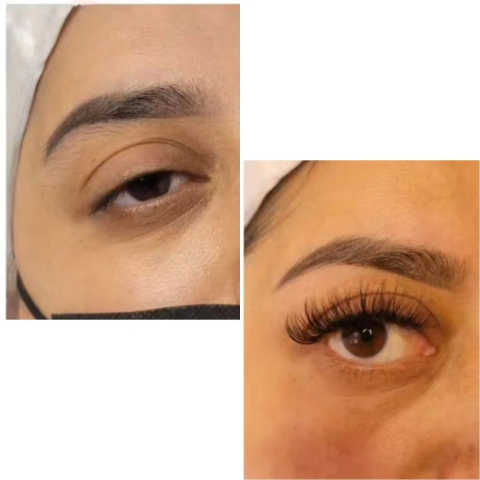
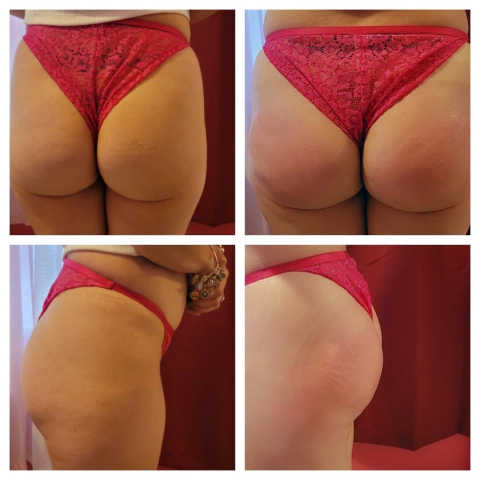
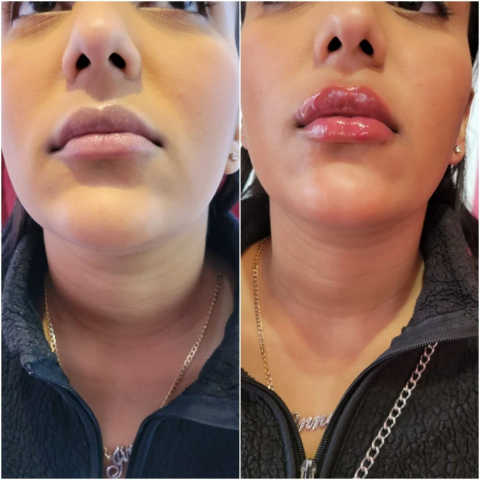
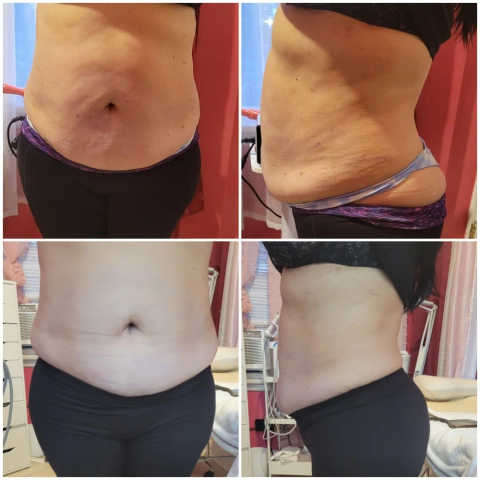
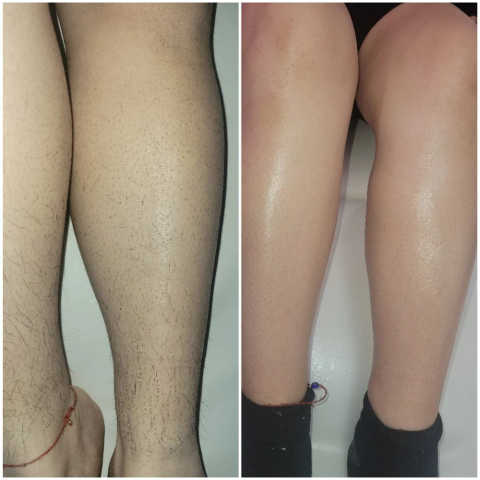
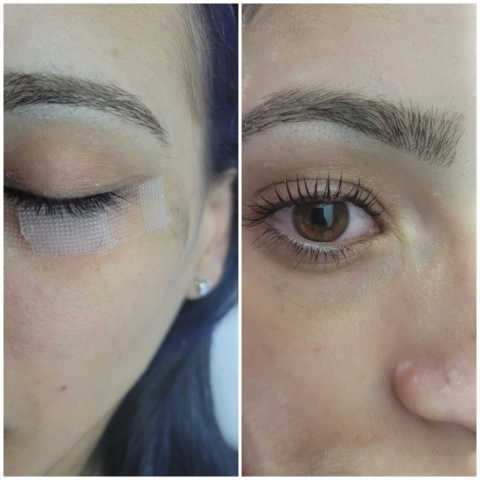
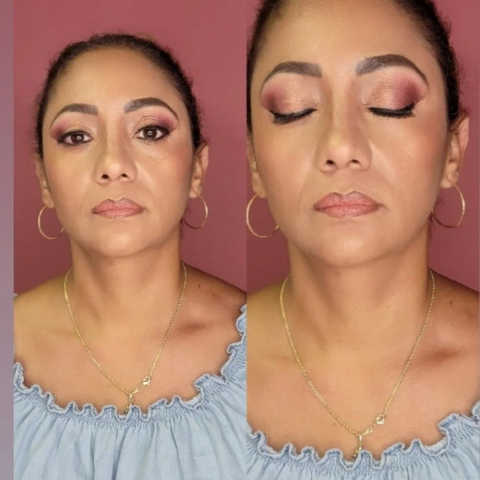
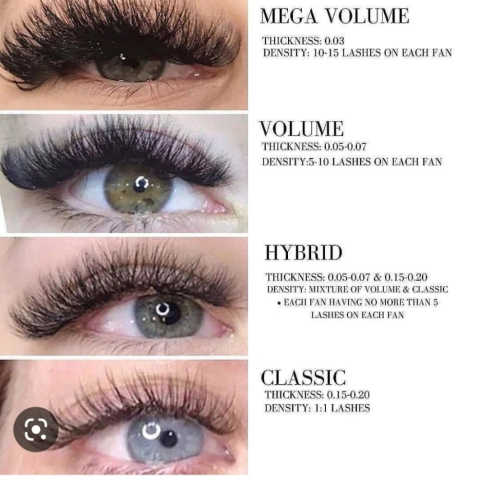
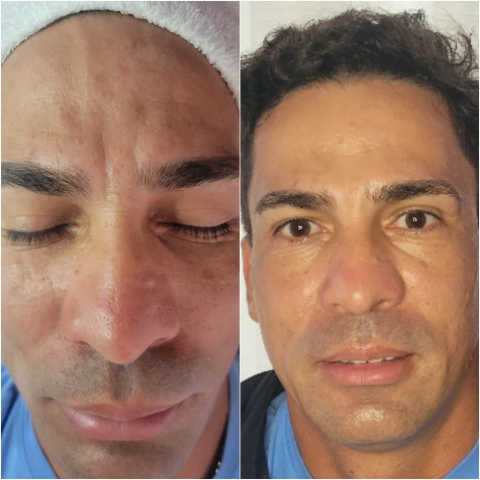
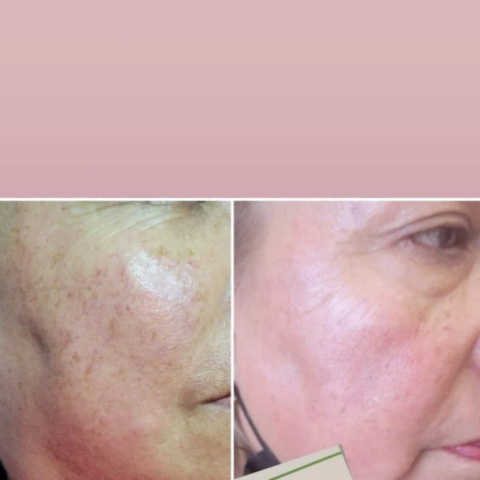
See examples of our Melasma control treatment work and results.















What Our Clients Say
$$MultiPurposeText$$
Read testimonials from our satisfied customers

(Translated by Google) Ruthy brought my skin back to life. My first time using her facial ...more

Beverly Beauty Skincare and Spa did a tremendous job with my facial skin procedure today a...more

Great service very satisfied with my facial. I would definitely recommend this place .

I went a got a facial today and it was a very professional and calming experience. She too...more

I’m so pleased with my first ever facial! Ruthy is very informative and you can tell she g...more

Great atmosphere, amazing experience, I had facial+ stone massage, both were very benefici...more

Frequently Asked Questions
Get answers to common questions about Melasma control treatment .
Most clients notice improved brightness and reduced pigmentation within two to six weeks, with progressive improvement over multiple sessions. Full results typically appear after a series of treatments plus adherence to sun protection and prescribed maintenance products.
Yes when performed by experienced providers. Exapeel with exosomes is designed for a range of skin types, but consultation and patch testing identify specific risks. Providers will adjust settings and aftercare to reduce hyperpigmentation or post-inflammatory responses.
Treatment plans vary by severity; most clients benefit from a series of three to six sessions spaced four to six weeks apart. Your clinician will assess progress and recommend maintenance treatments and topical support to sustain pigment reduction long-term.
Most clients experience mild tingling or warmth during the Exapeel application; topical numbing can be offered. Post-treatment redness and sensitivity usually resolve within days. Exosomes support healing, minimizing irritation and speeding recovery.
Avoid sun exposure, use broad-spectrum SPF 30+ daily, and follow prescribed topical regimen. Gentle cleansing and hydration help healing. Avoid harsh exfoliants or aggressive treatments for at least two weeks. Your clinician will provide tailored instructions for best outcomes.
Yes. Exapeel and exosomes pair well with targeted topical agents, LED therapy, and certain non-ablative procedures. Combining treatments is personalized based on skin condition and goals to maximize pigmentation control while minimizing irritation and downtime.